
How to Choose a Nightstand: Size, Style, and Storage
A nightstand that’s the wrong height is one of those problems you feel every single night without necessarily knowing why the bedroom feels slightly off. Getting the proportions right matters more than the style you pick, though both are worth getting deliberate about.
Match the Height to Your Mattress
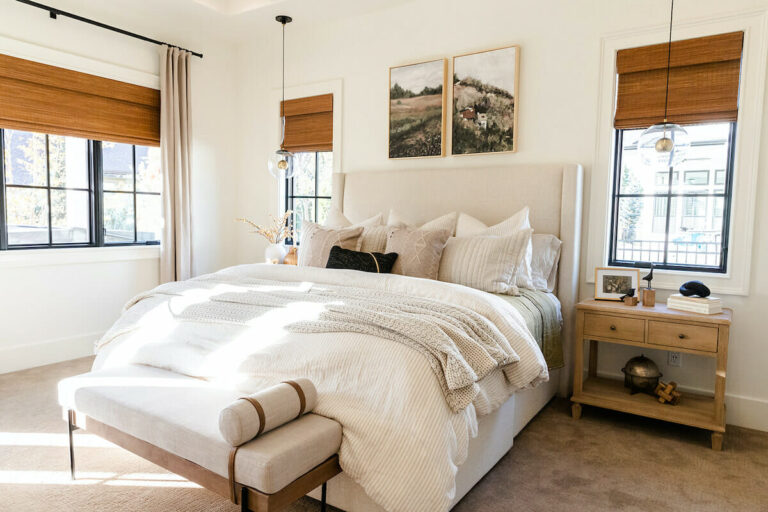
The ideal nightstand height sits within 2 to 4 inches of your mattress top, measured from the floor. Too low, and you’re reaching down awkwardly for a glass of water in the dark; too high, and the surface feels disconnected from the bed, more like a side table than a nightstand.
Measure your finished mattress height, including the frame and any box spring or foundation, before shopping. A standard bed frame with a mattress often lands between 24 and 28 inches, so most nightstands in that same range will work, but platform beds with lower profiles or beds with very tall mattresses can throw this off significantly.
Size the Surface for What You Actually Use
A nightstand surface needs to comfortably hold a lamp, a phone, a glass of water, and whatever you’re currently reading, all without things toppling off in the middle of the night. As a minimum, aim for at least 18 by 16 inches of surface area if you use your nightstand for more than just a lamp.
If you charge devices, read on a tablet, or keep skincare products on your nightstand nightly, size up rather than down. A nightstand that’s too small becomes a stack of teetering objects within a week, no matter how nice it looks empty in a showroom.
Storage Needs Should Drive the Style Decision
Drawers are worth prioritizing if you tend to accumulate small items, medications, or chargers you don’t want visible. An open shelf design works better for anyone who prefers a lighter, more minimal bedroom look and doesn’t need much hidden storage.
| Storage Need | Best Nightstand Type | Notes |
| Minimal, surface only | Open shelf or slim pedestal | Good for small bedrooms, visually light |
| Moderate, a few items | Single drawer with open shelf below | Balances hidden and visible storage |
| Heavy, medications, chargers, books | Two or more drawers | Keeps clutter fully hidden |
| Renter or frequently moving | Lightweight with wheels or a stool-style piece | Easy to relocate, doubles as extra seating |
Matching Pairs Versus Mismatched Nightstands
A matched pair creates a symmetrical, calm, hotel-like feeling that works especially well in smaller bedrooms where visual consistency reduces clutter. It’s also the lower-risk choice if you’re not confident mixing furniture styles.
Intentionally mismatched nightstands, different in shape or material but tied together by a shared color, wood tone, or metal finish, can add character and work particularly well in larger primary bedrooms or in homes furnished over time with pieces that have personal history. The key word is intentional: mismatched by accident (leftover furniture from two different rooms) reads very differently than a deliberately curated pairing.
Small Bedroom Nightstand Solutions
In bedrooms too tight for a standard nightstand on both sides, a narrow wall-mounted shelf, roughly 10 to 12 inches deep, can hold a small lamp and a phone without eating any floor space at all. A floating shelf also visually opens up the floor, which matters more in small bedrooms than almost any other room in the house.
For a single nightstand serving two people (common in smaller apartments), a wider single piece centered behind the headboard, rather than pushed fully to one side, gives both sleepers reasonable access without needing two separate pieces of furniture.
Material and Finish Considerations
Solid wood nightstands hold up better over years of nightly use, closing drawers, setting down glasses, occasional bumps, than veneer or particleboard pieces, though they typically cost more. If budget is a constraint, a veneer piece with a metal or solid wood top surface (the part that takes the most daily wear) offers a reasonable middle ground.
Matching your nightstand finish to your bed frame isn’t strictly necessary, but staying within the same warm or cool metal and wood family covered in our guide on mixing metals keeps the bedroom feeling cohesive rather than assembled from unrelated pieces.
Nightstands for Adjustable or Platform Beds
Adjustable bed frames that raise and lower the head or foot can shift your effective mattress height throughout the night, which makes the standard 2 to 4 inch height rule slightly more flexible. In these cases, measure at the bed’s most commonly used position rather than fully flat, since that’s the height you’ll actually be reaching from most nights.
Very low platform beds, common in modern and minimalist bedrooms, sometimes call for a nightstand shorter than the standard range entirely. A low, wide nightstand in the 18 to 22 inch height range keeps the proportions visually connected to a platform bed’s low profile, even though it falls outside the general height formula used for a standard frame.
Alternatives to a Traditional Nightstand
A small stool, a vintage side table repurposed from another room, or a wall-mounted ledge shelf can all function as a nightstand in rooms where a traditional piece feels too bulky or formal. These alternatives work especially well for anyone who values a more eclectic, collected-over-time bedroom aesthetic rather than a matched furniture set.
Whatever alternative you choose, keep the height and surface area guidelines from earlier in mind; an interesting stool that’s too tall or too small on the surface to actually hold a lamp and a glass of water will function poorly no matter how good it looks.
What to Avoid When Choosing a Nightstand
A few common nightstand mistakes are easy to avoid once you know to look for them:
- Buying based on the showroom display without measuring your own mattress height first
- Choosing a nightstand with sharp corners in a small bedroom where you’ll bump into it regularly
- Ignoring drawer glide quality, since cheap drawers stick or fall off track within a year of nightly use
- Picking a finish that doesn’t relate at all to your bed frame or dresser, creating a disconnected look across the room
Frequently Asked Questions
How tall should a nightstand be compared to my mattress?
Within 2 to 4 inches of your mattress top height, measured from the floor. This keeps the surface within easy, comfortable reach without feeling disconnected from the bed.
Do nightstands need to match on both sides of the bed?
No. A matched pair creates a calmer, more symmetrical look, but intentionally mismatched nightstands tied together by a shared color or material can add character, especially in larger bedrooms.
What size nightstand surface do I need?
At least 18 by 16 inches if you use it for more than just a lamp. Anyone who charges devices, reads on a tablet, or keeps skincare items on their nightstand nightly should size up from there.
Are drawers or open shelves better for a nightstand?
Drawers work better if you accumulate small items you don’t want visible, like medications or chargers. Open shelves suit a more minimal look and work well for anyone who doesn’t need much hidden storage.
What’s a good nightstand solution for a very small bedroom?
A narrow wall-mounted floating shelf, roughly 10 to 12 inches deep, holds a lamp and phone without taking up any floor space, which matters most in bedrooms too tight for a standard freestanding nightstand.
Is solid wood worth the extra cost for a nightstand?
Generally yes, since nightstands take significant nightly wear from drawers closing and objects being set down. If budget is tight, a veneer piece with a solid wood or metal top surface is a reasonable compromise.
What nightstand height works with a low platform bed?
A low, wide nightstand in the 18 to 22 inch range keeps proportions connected to a platform bed’s low profile, which falls outside the standard height formula used for a typical bed frame with a box spring.
Can I use a stool or side table instead of a traditional nightstand?
Yes, as long as it meets the same height and surface area guidelines as a purpose-built nightstand. A stool or repurposed side table works especially well for a more eclectic, collected bedroom look.
How do I keep a nightstand from looking cluttered?
Limit the surface to a lamp, one or two personal items, and whatever you’re currently reading. Use drawers for anything else you regularly reach for, and remove items that accumulate but aren’t used, like old receipts or expired chargers.
Should nightstand drawers lock?
It’s not necessary for most households, but a lockable drawer can be worth prioritizing in homes with children or frequent guests, particularly for storing medications or anything else you’d prefer kept out of reach.
Final Thoughts
A nightstand earns its keep every single night, so the height relative to your mattress and the surface size for what you actually use matter more than the style photos suggest. Measure your bed first, be honest about your storage habits, and choose matched or mismatched pairs deliberately rather than by default.