
How to Choose Throw Pillows That Actually Look Intentional
Throw pillows are the cheapest way to change a room’s entire mood, and also the easiest way to make a nice sofa look cluttered if you buy them one at a time without a plan. A little bit of arithmetic and one mixing rule fixes both problems.
Get the Size Right Before the Pattern
Standard pillow sizes run from 18×18 inches for a smaller accent up to 24×24 for a bold, oversized statement. On a standard three-seat sofa, 20×20 or 22×22 inch pillows typically scale better than the small 16×16 inch pillows sold in most budget multi-packs, which tend to look undersized once placed against real upholstery.
Down or a down-alternative insert one to two inches larger than the cover creates the plump, slightly overstuffed look designers aim for. A pillow insert sized exactly to the cover almost always looks flat and deflated within a few weeks of use.
The 3-2-1 Arranging Formula
For a three-seat sofa, a reliable starting arrangement is three pillows on one side (largest in the back corner, graduating smaller toward the front) and two on the other side, rather than a perfectly even, matched pair on each end. This asymmetry is what separates a styled sofa from a hotel-lobby sofa.
For a loveseat or two-seat sofa, two coordinating pillows total, or one pillow plus a folded throw blanket, usually reads as more intentional than trying to force a full five-pillow arrangement onto a smaller piece of furniture.
| Sofa Size | Pillow Count | Suggested Sizes |
| Loveseat (2-seat) | 2 pillows or 1 pillow + throw | 18×18 or 20×20 |
| Standard sofa (3-seat) | 3 to 5 pillows | 20×20 and 22×22 mixed |
| Large sectional | 5 to 7 pillows | 20×20 up to a 24×24 lumbar mix |
Mix Pattern, Texture, and Solid in Every Grouping
A grouping of all-solid pillows looks flat, and a grouping of all-pattern pillows fights for attention. The reliable formula is one pattern, one texture, and one solid color per side of the sofa, all pulling from the same two or three colors in the room’s existing palette.
If you’re nervous about pattern, start with a subtle texture (a boucle or a ribbed knit) instead of a bold print. Texture adds the same visual interest as pattern without the higher risk of clashing with an existing rug or curtain.
Bedroom Pillow Layering Follows a Different Formula
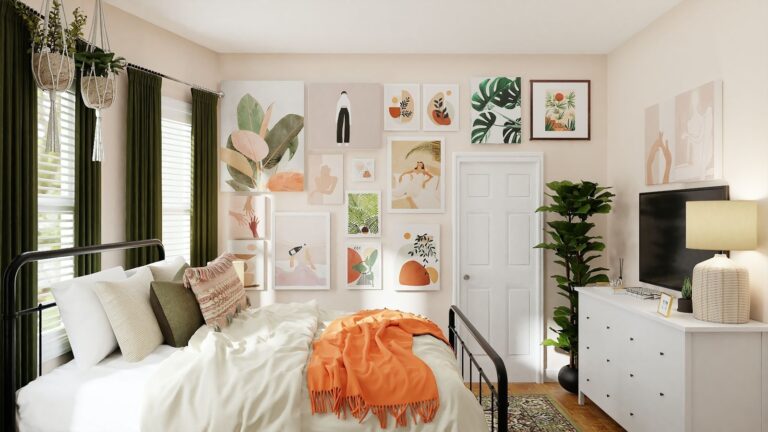
Beds can support more layering than sofas because they have more surface area and a clear back-to-front visual order. A common layering sequence, from back to front: two Euro shams (26×26), your two standard sleeping pillows, and one or two smaller lumbar or decorative pillows in front.
Skip the decorative front pillows if you genuinely won’t move them every night before bed. A pillow arrangement you resent dealing with daily gets shoved in a closet within a month, so match the complexity of the layering to how much effort you’re actually willing to put in each morning.
Where to Save and Where to Spend
Pillow inserts are worth spending slightly more on, since a quality down-alternative insert holds its shape and plumps back up after use far better than a cheap polyester-fill insert that flattens permanently within months. Covers, on the other hand, are the easiest and cheapest piece to swap seasonally, so it’s reasonable to buy budget covers and rotate them more often rather than investing heavily in a single set.
Fabric Choices and What They Actually Feel Like Day to Day
Mixing at least two of these fabric families in one grouping does more to create visual depth than mixing colors alone, since the eye reads texture even before it fully processes pattern or hue.
| Fabric | Feel | Best Use |
| Linen | Textured, slightly cool, relaxed drape | Living rooms, year-round neutral base |
| Velvet | Plush, warm, slightly formal | Accent pillows, cooler-weather rooms |
| Boucle or chunky knit | Nubby, tactile, casual | Reading chairs, cozy corners |
| Cotton or canvas | Crisp, durable, easy to clean | High-traffic sofas, family rooms |
Color Strategy: Anchoring, Bridging, and Popping
A well-considered pillow grouping usually plays three color roles at once. An anchor pillow repeats a color already dominant in the room, like your rug or curtains, and grounds the arrangement so it doesn’t feel disconnected from everything else. A bridge pillow pulls in a secondary color already present in smaller doses, like a wood tone or a piece of art, and ties those elements together.
The pop pillow is the one true accent, a color that appears nowhere else in the room, used in the smallest pillow of the group. This is where you can afford to take the biggest risk, since it’s a small, easily changeable element rather than a wall color or a large upholstery choice.
Pillow Care That Keeps Covers Looking Fresh
Fluffing pillows daily, or at least weekly, keeps down and down-alternative inserts from compacting unevenly over time, particularly on the corners which tend to flatten first from regular use. Rotating pillow placement occasionally also prevents one specific cushion from taking all the wear while others stay untouched.
Most decorative covers do best hand washed or laundered on a gentle, cold cycle and air dried rather than machine dried, since heat can shrink natural fibers like linen and cotton unevenly, distorting the cover’s fit around the insert.
Outdoor and Performance Fabric Pillows
For sofas that see heavy daily use, families with young kids, or covered patio furniture, performance fabrics (solution-dyed acrylics rated for fading and moisture resistance) hold up dramatically better than standard indoor cotton or linen without sacrificing much in terms of style, since most performance lines now come in the same range of colors and even some textured weaves as their indoor-only counterparts.
True outdoor pillows need inserts rated for outdoor use as well, typically a quick-drying foam rather than down or standard poly-fill, or they’ll hold moisture and develop mildew over a single humid season.
Frequently Asked Questions
How many throw pillows should be on a standard sofa?
Three to five works well for most three-seat sofas, arranged asymmetrically (three on one side, two on the other) rather than a perfectly even, matched arrangement.
Should pillow inserts be the same size as the cover?
No. An insert one to two inches larger than the cover creates a fuller, more plump look. An insert sized exactly to the cover tends to look flat, especially after a few weeks of regular use.
How do I mix patterns without them clashing?
Limit each grouping to one pattern, one texture, and one solid color, all pulling from two or three colors already present in the room. This keeps the mix cohesive instead of competing for attention.
Are matching pillow sets a good idea?
A fully matched, identical pillow set from a single package often looks less intentional than a curated mix of complementary but not identical pillows in varied sizes and textures.
How often should I change throw pillow covers?
There’s no fixed rule, but many people refresh covers seasonally since they’re inexpensive to swap and make a noticeable difference in a room’s feel without touching furniture or paint.
Do outdoor throw pillows need special inserts?
Yes. True outdoor pillows need quick-drying foam inserts rather than down or standard polyester fill, since those materials hold moisture and can develop mildew over a humid season.
How do I choose an accent pillow color that doesn’t exist elsewhere in the room?
Treat it as your one true ‘pop’ color and keep it to the smallest pillow in the grouping. Because it’s an easily changeable, low-cost element, it’s a safe place to take more of a color risk than you would with paint or upholstery.
How should I wash decorative throw pillow covers?
Most do best hand washed or laundered on a gentle, cold cycle and air dried rather than machine dried, since heat can shrink natural fibers like linen and cotton unevenly and distort how the cover fits the insert.
Can throw pillows work in a room without a defined color palette yet?
Yes, and they’re actually a low-risk way to start building one. Choosing two or three pillow colors first, then pulling paint, rug, and curtain choices from that grouping, can be easier than committing to a wall color before anything else exists in the room.
What’s a common throw pillow mistake to avoid?
Buying pillows in a matched set straight off the shelf and using all of them together. A pre-packaged set almost always benefits from being broken up and mixed with at least one or two pieces from elsewhere for a less uniform, more intentional look.
Final Thoughts
Throw pillows look intentional when the sizing is generous, the arrangement is asymmetrical, and every grouping mixes pattern, texture, and solid rather than repeating the same finish five times. Get those three things right, and pillows stop being an afterthought purchase and start doing real design work in the room.