
How to Layer Lighting in a Room Like a Designer
A room lit by one overhead fixture is the fastest way to make even beautifully decorated furniture look flat and uninviting. Professional lighting design always works in three layers, and most homes are only using one of them.
The Three Layers, Explained Simply
Ambient lighting is your general, overall light source, typically an overhead fixture or recessed lighting that lets you see and move around the room safely. Task lighting is focused light for a specific activity, like reading, cooking, or working at a desk. Accent lighting highlights something specific, whether that’s artwork, a plant, or a cozy corner, and it’s usually the layer people skip entirely.
Most rooms only have layer one. A single overhead light does the job of illumination but none of the job of atmosphere, which is why so many rooms with nice furniture still feel flat once the sun goes down.
| Layer | Purpose | Example Fixtures |
| Ambient | General overall light for safety and movement | Overhead fixture, recessed lighting, flush mount |
| Task | Focused light for a specific activity | Desk lamp, under-cabinet kitchen lighting, reading lamp |
| Accent | Highlights a feature or creates mood | Picture lights, LED strips, small uplighting |
Aim for Three Light Sources Per Room, Minimum
As a working rule, every main room in a home should have at least three separate light sources at different heights: one ambient (overhead or ceiling-level), one task (lamp height, roughly 24 to 30 inches for a table lamp), and one accent (either low, like an uplight, or focused, like a picture light).
You don’t need three separate switches or a complex smart-home setup to achieve this. A floor lamp plugged into an outlet and a table lamp on a side table already gets you most of the way there alongside your existing overhead fixture.
Living Rooms: Where Layering Matters Most
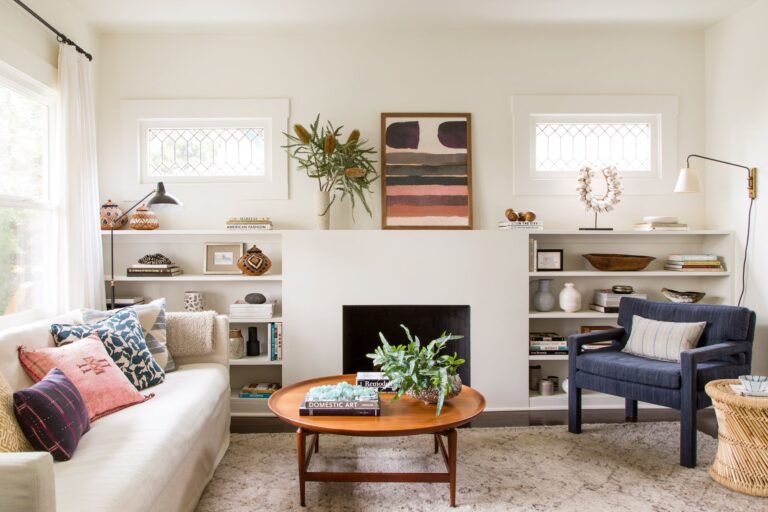
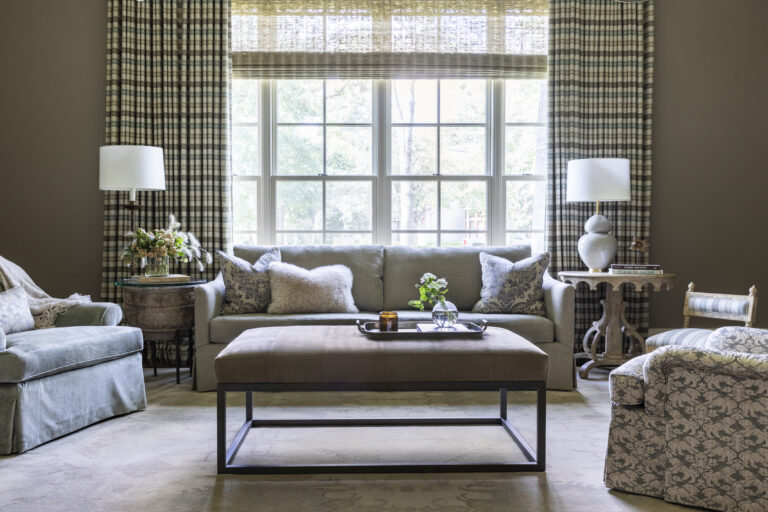
A living room used mostly for relaxing in the evening should rely on ambient light far less than people assume. Overhead lighting works well for daytime cleaning or hosting a larger group, but for everyday evening use, a floor lamp behind a reading chair and a table lamp near the sofa do more to create atmosphere than any overhead fixture.
Add one accent light, whether that’s a small picture light over art or an LED strip behind a TV or shelving unit, and the room stops relying entirely on one flat source of illumination.
Bedrooms Need Task Lighting on Both Sides of the Bed
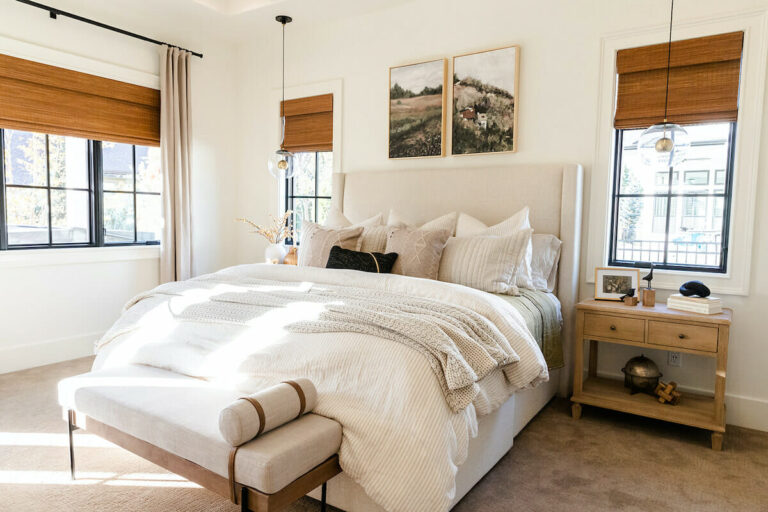
A single overhead fixture in a bedroom rarely serves reading in bed, getting dressed, or a relaxed wind-down before sleep equally well. Two bedside lamps, one on each side, give you symmetrical task lighting that doesn’t require getting out of bed to adjust, and a plug-in wall sconce is a good alternative when nightstand surface space is tight.
For accent lighting in a bedroom, a small lamp on a dresser or a warm LED strip along a headboard adds a soft, secondary glow that makes the room feel considered rather than purely functional.
Kitchens Need Task Lighting Where You Actually Work
Overhead kitchen lighting alone almost always leaves your own shadow falling across the counter exactly where you’re chopping or reading a recipe. Under-cabinet task lighting solves this directly, and it’s one of the easiest upgrades in a kitchen because battery-powered or plug-in LED strips require no electrician for a rental-friendly version.
Pendant lights over an island add both task lighting for that specific work zone and a strong style statement, functioning almost like jewelry for the kitchen.
Match Bulb Temperature Across All Three Layers
Mixing a warm 2700K bulb in one lamp with a cool 5000K bulb in another fixture in the same room is one of the fastest ways to make a space feel disjointed, even if every fixture itself is beautiful. Pick one temperature, generally 2700K to 3000K for most living spaces and bedrooms, and use it consistently across ambient, task, and accent fixtures in the same room.
Dimmers Are the Cheapest Lighting Upgrade That Actually Works
A dimmer switch on your main ambient fixture lets one light source do the job of several by adjusting to the time of day and the activity, bright for cleaning, low for a relaxed evening, without touching any lamps. Most standard dimmers are a simple swap for an existing switch and don’t require rewiring the fixture itself.
For renters who can’t modify hardwired switches, plug-in lamp dimmers and dimmable smart bulbs controlled from a phone app achieve almost the same flexibility without any permanent changes to the wall.
Home Offices Need Lighting That Reduces Screen Glare
A desk lamp positioned to the side of your monitor, rather than directly behind or in front of it, reduces glare on the screen and reduces eye strain over a full workday. Overhead ambient light alone tends to create harsh reflections on glossy monitors, which is a common, overlooked cause of afternoon eye fatigue for anyone working from home.
An accent light, even something as simple as a small lamp on a bookshelf behind you, also helps balance the brightness between your screen and the room, which reduces the contrast your eyes have to constantly adjust to.
Outdoor and Entryway Lighting Follows the Same Layering Logic
Entryways benefit from the same three-layer approach at a smaller scale: an overhead fixture for general illumination, a console lamp for a warmer welcome glow, and a small accent light on art or a mirror. This is often the most overlooked space in a home for layered lighting, since most entryways rely on a single overhead fixture and nothing else.
Outdoor spaces, porches, and patios benefit from string lights or lanterns as an accent layer on top of any functional overhead or wall-mounted fixture, extending usable evening hours in a space that would otherwise go dark and unused once the sun sets.
A Simple Room-by-Room Lighting Audit
Walk through your home tonight after dark and note, room by room, whether each space has all three layers. Most homes are missing at least one layer in most rooms:
- Living room: ambient overhead, a floor or table lamp, and one accent source like a picture light
- Bedroom: ambient overhead, lamps on both nightstands, and a soft accent like an LED strip
- Kitchen: ambient overhead, under-cabinet task lighting, and pendant lights over an island as both task and style
- Home office: ambient overhead, a positioned desk lamp, and one accent light to reduce screen contrast
- Entryway: ambient overhead, a console lamp, and an accent light on art or a mirror
Smart Bulbs Versus Traditional Layered Fixtures
Smart bulbs that adjust color temperature and brightness from an app can approximate some of the benefits of layering within a single fixture, but they don’t replace the fundamental need for multiple light sources at different heights in a room. Think of smart bulbs as a useful tool within the ambient or task layer, not a shortcut that eliminates the need for the other two layers entirely.
Frequently Asked Questions
What are the three types of lighting in interior design?
Ambient (general overall light), task (focused light for a specific activity like reading or cooking), and accent (light that highlights a feature or adds mood, like a picture light or LED strip).
How many light sources should a living room have?
At minimum three: an ambient overhead source, one task light like a floor or table lamp, and one accent light such as a picture light or LED strip behind furniture or shelving.
What bulb color temperature is best for living spaces?
Warm white, in the 2700K to 3000K range, generally creates the cozier, more flattering atmosphere most homes want in living rooms and bedrooms, compared to cooler 4000K+ bulbs which read as more clinical.
Do I need an electrician to add layered lighting to a rental?
No. Plug-in lamps, battery-powered or plug-in under-cabinet LED strips, and swag pendant lights that hang from a hook rather than hardwired electrical boxes all add layered lighting without any electrical work.
Why does my room still feel flat with expensive lighting?
It’s usually a layering problem, not a fixture-quality problem. A single expensive overhead fixture still only provides one layer of light. Adding a task and an accent source at different heights typically fixes the flat feeling more than upgrading the existing fixture.
Are dimmer switches worth adding to a home?
Yes. A dimmer on your main ambient fixture lets one light source adapt to different activities and times of day, and it’s one of the lowest-cost lighting upgrades with the most noticeable everyday impact.
How do I layer lighting in a room with no overhead fixture at all?
Treat a floor lamp on a dimmer as your ambient layer instead of an overhead fixture, then add a table lamp for task lighting and a small accent light as usual. The three-layer principle still applies even without ceiling-level lighting.
Final Thoughts
Layered lighting isn’t about buying more lamps, it’s about giving each layer, ambient, task, and accent, a job to do at a different height in the room. Match your bulb temperatures, aim for at least three sources per main room, and turn the overhead light off some evenings entirely. That single habit changes how a room feels more than most furniture purchases ever will.