How to Organize a Kids’ Bedroom That Grows With Them
A kids’ bedroom decorated entirely around a toddler’s current obsession is adorable for about eighteen months and then expensive to redo. Choosing furniture and systems that flex with your child, rather than furniture that only works for one specific age, saves money and disruption over the years that actually matter.
Choose Furniture That Adapts Instead of Furniture That’s Age-Specific
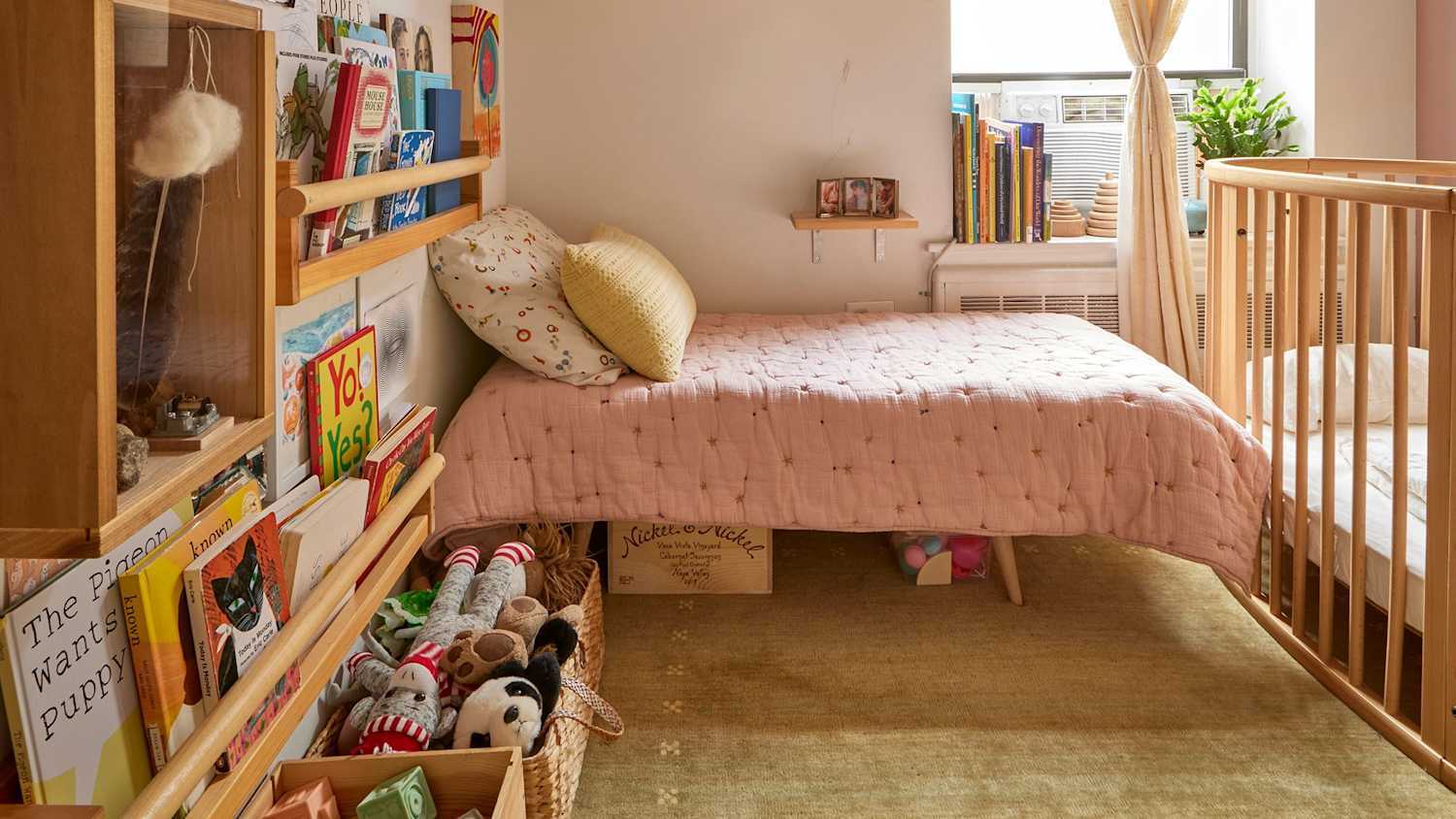
A crib that converts to a toddler bed and eventually a daybed or full-size frame extends usable life significantly compared to a crib you’ll replace entirely within two years. Similarly, a desk and chair with adjustable height settings grows with a child through elementary and middle school, rather than needing replacement every couple of years as they grow taller.
Dressers and closet systems benefit from the same thinking. Adjustable closet rods that can be raised as a child grows, rather than a single fixed-height rod sized for a five-year-old, keep the closet functional for a decade rather than needing modification every few years.
Build Storage Around Systems, Not Specific Toys
A modular shelving unit with a mix of open cubbies and closed baskets adapts across nearly all these stages just by swapping what goes inside it, rather than requiring an entirely new storage piece every few years as your child’s needs change.
| Age Range | Storage Priority | Example |
| Toddler (1-3) | Low, open bins for easy access | Floor-level cubbies for blocks and stuffed animals |
| Young child (4-8) | Labeled bins by category | Bins for art supplies, dress-up, building toys |
| Older child (9-12) | Closed storage for privacy and mess control | Drawers and closet systems replacing open toy bins |
| Teen | Functional storage plus display | Bookshelves, desk organization, minimal open toy storage |
Keep Wall Color and Major Furniture Neutral, Personalize With Removable Elements
Painting a room in a specific licensed character theme feels exciting in the moment but becomes an expensive repaint within a year or two once interests shift. A neutral or softly colored wall paired with removable decals, artwork, or a themed bedding set lets a child’s current interest show up in easily changeable layers rather than the wall itself.
This approach also protects resale value if you plan to sell the home eventually, since a neutral kids’ room reads as a flexible bedroom to potential buyers, while a highly specific themed room can actually work against a sale by making the space feel less adaptable to a buyer’s own family.
Design for Two Zones: Play and Rest
Even in a small bedroom, separating a play or activity zone from the sleeping zone, using a rug, a low shelf as a divider, or simply furniture placement, helps kids associate the bed with winding down rather than active play, which can genuinely support better sleep habits over time.
As kids age into the tween and teen years, the play zone typically evolves into a homework or hangout zone rather than disappearing entirely, so planning that zone’s furniture (a small table, floor seating, later a desk) with some flexibility from the start avoids a total room overhaul at each transition.
Involve Kids in Age-Appropriate Decisions
Letting a child choose their bedding color, one wall decal, or how a shelf of books and toys gets arranged gives them ownership over the space without requiring you to commit to their current, likely temporary, favorite theme at a structural level. This balance, adult-chosen bones with kid-chosen details, tends to age much better than either extreme.
For older kids and teens, involving them more substantially in bigger decisions, like choosing between two or three pre-approved paint colors, or picking their own desk setup within a budget, builds a sense of independence appropriate to their age while still keeping the underlying furniture flexible enough to last.
Lighting That Adapts From Nightlight to Study Lamp
A dimmable overhead fixture or a plug-in nightlight with adjustable brightness serves a toddler’s need for gentle nighttime light and, years later, a teenager’s need for functional evening reading or study light, without requiring a fixture swap at every stage. Choosing warm-toned bulbs throughout keeps the room feeling calm regardless of age.
A dedicated desk lamp, added once a child starts school-aged homework, is a more flexible addition than built-in overhead task lighting, since it can move between the desk and eventually a different room entirely as the child’s needs and furniture arrangement change over time.
Flooring and Wall Choices That Handle Wear at Every Age
Washable, durable paint finishes (satin or eggshell rather than flat) handle crayon marks, handprints, and general wear far better through the toddler and young child years, and a large, washable area rug protects flooring while still being replaceable if it takes on heavy wear from years of active play.
Avoid investing in premium, delicate flooring finishes in a child’s room specifically, since even the most careful kids will scuff, spill, and drop things regularly through the more physically active years, and a floor that shows every mark adds unnecessary stress to an already busy household.
Planning for Siblings Sharing a Room
When two children share a bedroom, especially at different ages, a modular furniture approach becomes even more valuable, since each child’s needs may shift on a different timeline. Bunk beds or trundle systems that can later separate into two standalone beds give you flexibility if the sharing arrangement eventually changes, whether due to age gaps growing more pronounced or a family simply needing to reassign bedrooms later.
Giving each child a small, clearly defined personal zone, even in a shared room, a designated shelf, a specific wall area for their own art or decor, helps reduce territorial conflict and gives each child some sense of individual ownership within a communal space.
Budgeting for the Long Haul Rather Than One Big Purchase
Because a kids’ room evolves in stages, it’s often more cost-effective to budget for periodic smaller updates, new bedding, a fresh coat of paint, updated storage bins, rather than one large furniture overhaul intended to look perfect at a single moment in time. This staged approach also naturally accommodates a child’s changing input and preferences as they grow old enough to have stronger opinions about their own space.
Frequently Asked Questions
Is a convertible crib worth the extra cost?
Generally yes. A crib that converts to a toddler bed and eventually a daybed or full-size frame extends its usable life by years compared to a crib you’ll need to replace entirely once your child outgrows it.
Should I avoid theme-based decor entirely in a kids’ room?
Not entirely, but keeping the wall color and major furniture neutral while expressing a current theme through bedding, decals, or artwork lets interests change without requiring a full repaint or furniture replacement.
How do I organize toys as my child gets older?
Shift from low, open bins for toddlers toward labeled category bins for young children, then closed storage for privacy and mess control as they approach the tween years, ideally using a modular shelving system that adapts to each stage.
Does a themed kids’ room affect home resale value?
It can. A highly specific themed room may make a space feel less adaptable to potential buyers’ own families, while a neutral kids’ room with removable, personalized touches tends to read as more flexible during a home sale.
How much input should kids have in decorating their own room?
Age-appropriate input, choosing bedding, a decal, or how to arrange their own shelf, gives kids ownership without requiring parents to commit to a temporary favorite theme at a structural, harder-to-change level.
What flooring or wall finish handles a kids’ room best?
Washable satin or eggshell paint handles marks and handprints better than flat finishes, and a durable, washable area rug protects flooring while remaining replaceable if it takes on heavy wear during the more active years.
What furniture works best for siblings sharing a bedroom?
Bunk beds or trundle systems that can later separate into two standalone beds offer flexibility as each child’s needs shift on different timelines, and giving each child a small, clearly defined personal zone helps reduce territorial conflict.
How do I transition a nursery into a big-kid room without starting over?
Choosing convertible furniture (a crib that becomes a toddler bed, a changing table topper that lifts off a standard dresser) from the start means the transition mostly involves removing add-on pieces rather than replacing the core furniture entirely.
How far in advance should I plan for a child’s changing bedroom needs?
Thinking roughly three to five years ahead when choosing major furniture pieces, rather than only solving for the current age, tends to prevent the most costly and disruptive full-room overhauls as children grow.
Final Thoughts
A kids’ bedroom that grows with your child comes down to choosing adaptable furniture and storage systems over age-specific ones, and keeping personalization at the layer that’s easy to change, bedding, decals, artwork, rather than the walls or major furniture. Done this way, the room evolves alongside your child instead of requiring a full redo every few years.