How to Add Warmth to a Modern Minimalist Home
Minimalism gets blamed for feeling cold, but the coldness rarely comes from having fewer things. It comes from a specific combination: hard, glossy surfaces, cool-toned lighting, and a total absence of texture. You can keep every clean line and empty surface and still fix all three.
Warmth Comes From Material, Not Clutter
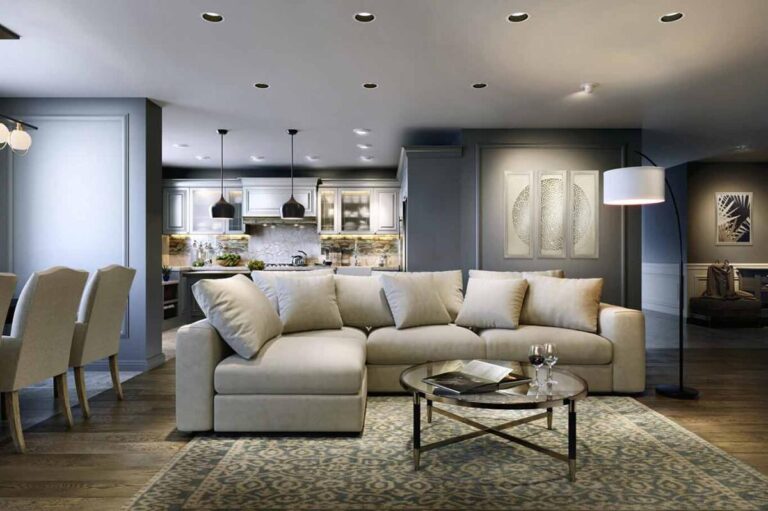
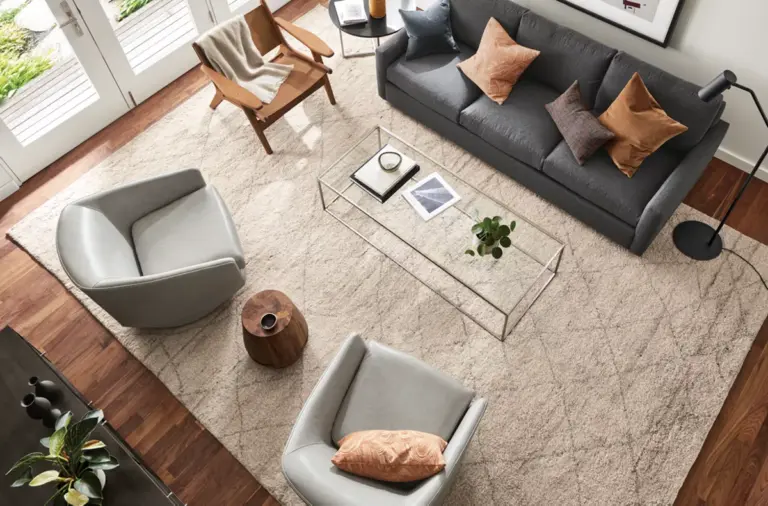
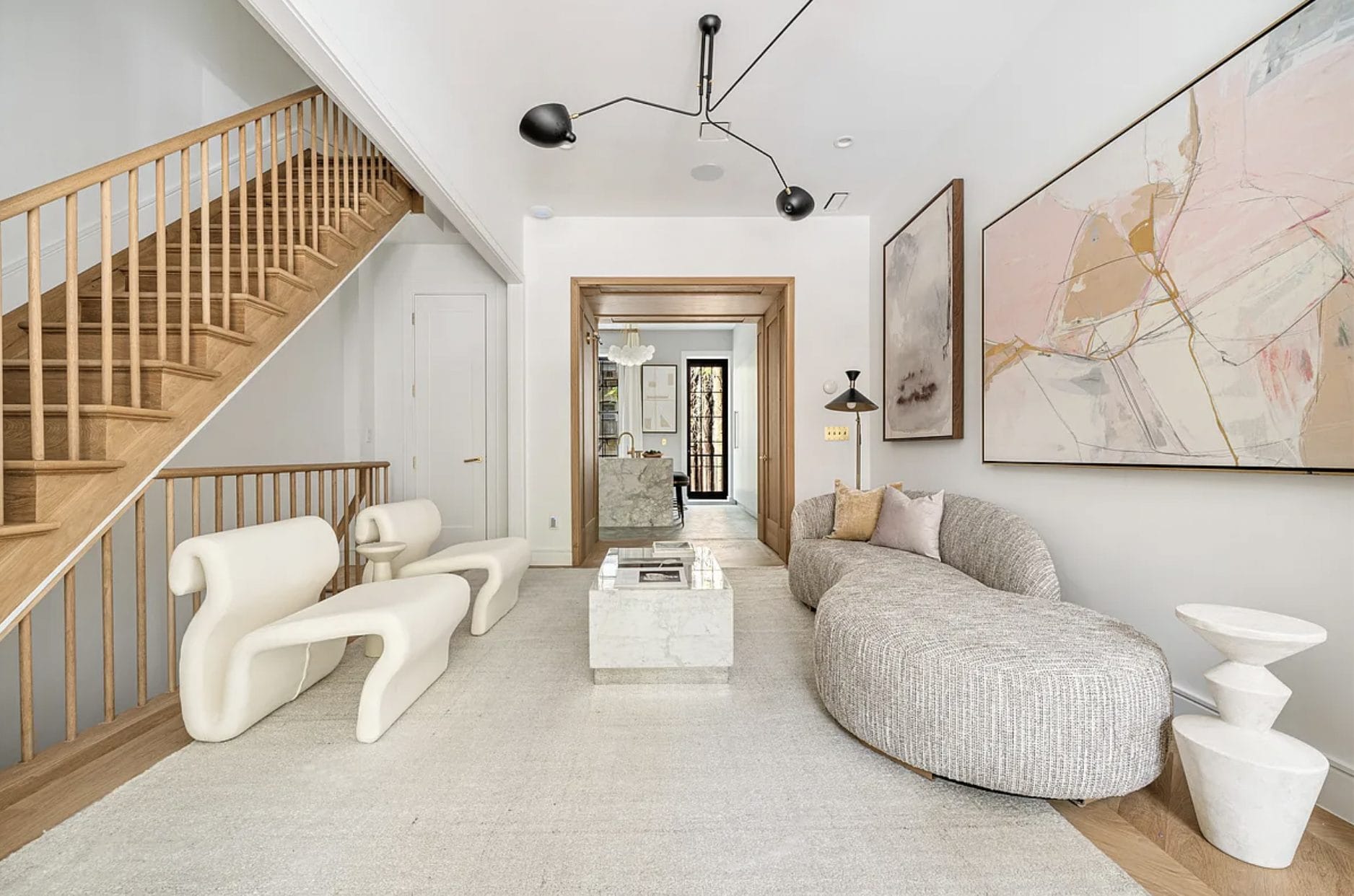
The instinct when a minimalist room feels sterile is to add more objects, but that usually just creates a cluttered version of the same cold room. The actual fix is upgrading the materials already there: swap a glass or acrylic coffee table for one in warm wood, replace a chrome lamp base with a ceramic or wood one, and introduce at least one substantial textile, a wool throw, a linen sofa, into the room’s largest surfaces.
This is the core distinction between minimalist and merely empty: a well-executed minimalist room has fewer objects, but the objects it does have carry real material warmth, not just clean geometry.
Choose Warm Wood Tones as Your Grounding Element
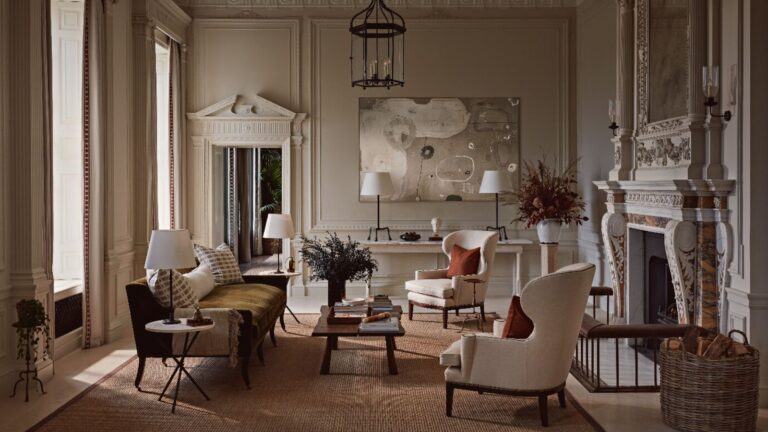
Almost every successful warm-minimalist room has at least one significant piece of warm-toned wood, whether that’s flooring, a dining table, or a single large piece of furniture. If your existing flooring or cabinetry leans cool and gray, counter it with warm wood in furniture rather than fighting to change the fixed architectural elements.
Oak, walnut, and other warm-toned woods with visible grain add more perceived warmth than a painted or heavily lacquered surface, even in an otherwise very restrained, low-object room.
Texture Is Non-Negotiable in a Minimalist Room
You don’t need many textures in a minimalist room, but you need at least two or three clearly different ones represented across the major surfaces (seating, flooring, table), or the room will read as sparse rather than intentionally restrained.
| Surface | Cold Version | Warm Minimalist Version |
| Sofa | Smooth leather or slick synthetic | Boucle, linen, or heavyweight cotton |
| Flooring | Bare polished concrete or tile | Natural fiber rug, even a small one |
| Coffee table | Glass or glossy lacquer | Solid warm wood or unglazed stone |
| Lighting fixtures | Chrome or unfinished metal | Matte black, brass, or ceramic |
Warm the Lighting Before You Warm Anything Else
A minimalist room with cool-toned overhead lighting will feel clinical no matter how thoughtfully everything else is chosen. Warm bulbs in the 2700K to 3000K range, and at least one lamp positioned at a lower, seated eye level rather than relying entirely on overhead or recessed lighting, do more to soften a minimalist room’s atmosphere than almost any other single change.
Because minimalist rooms often rely on fewer, larger light fixtures rather than many small ones, it’s worth spending more on a single well-chosen lamp with a warm-toned shade or diffuser than on multiple cheaper fixtures, since that one piece is carrying more visual and functional weight than it would in a more decorated room.
Add Organic Life Without Adding Visual Noise
A single, well-placed plant, ideally one with substantial, sculptural leaves rather than a busy, twiggy silhouette, fits the minimalist aesthetic while still introducing organic warmth. A fiddle leaf fig, a large snake plant, or an olive tree all read as intentional rather than decorative clutter, because their scale and simplicity match the room’s existing restraint.
Fresh flowers or dried botanicals in a single, well-chosen vessel achieve a similar effect on a smaller scale and can be rotated seasonally without disrupting the room’s overall minimal footprint.
Curating Objects Instead of Eliminating Them
Minimalism is often misread as owning as few things as possible, but a warmer version of the philosophy is closer to owning fewer, better things and displaying them with intention. A single well-made ceramic bowl, a stack of art books with genuinely interesting spines, or one meaningful piece of pottery on an otherwise empty shelf adds warmth precisely because it stands out rather than competing with a dozen other objects.
This approach also makes editing easier going forward: once a room has a few carefully chosen, warmth-adding objects, it becomes much clearer when something new either earns its place or is simply clutter dressed up as decor.
Layering Soft Furnishings Without Losing the Minimalist Feel
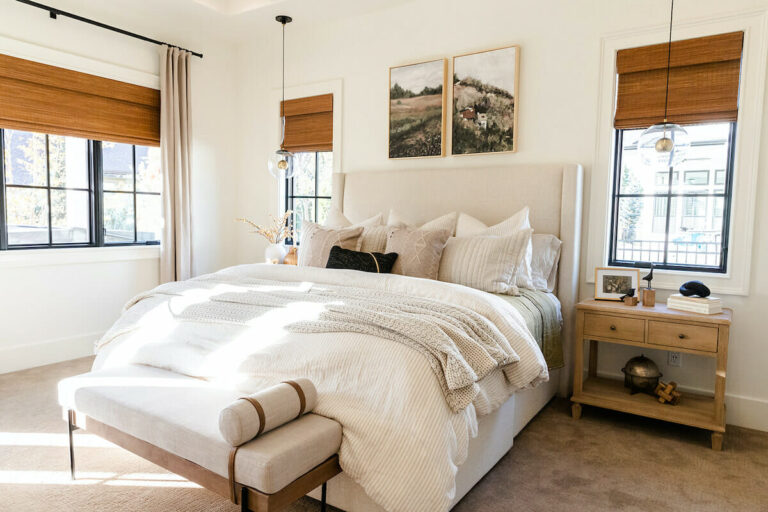
A common hesitation with warm minimalism is worrying that any added textile will tip the room toward clutter. The key is repetition and restraint: choose one or two textile types, a linen curtain and a wool throw, for example, and repeat them rather than introducing a different fabric for every soft element in the room.
Keeping textiles in a tight, related color range, rather than introducing a new pattern or bold hue with every blanket and pillow, preserves the visual calm that makes minimalism feel minimal in the first place, even as the room gains real tactile warmth.
Balancing Negative Space With Warmth
Minimalist rooms rely heavily on negative space, the deliberate emptiness between objects, to create their sense of calm, and adding warmth shouldn’t mean sacrificing that. The goal is warming up the objects and materials that remain, not filling in the empty space around them with more things.
A useful check: after adding any warming element, whether a plant, a textile, or a new light source, step back and confirm the room still has clear breathing room around its major pieces. If the added warmth has quietly filled in all the negative space, the room has drifted from warm minimalism into a different, more maximalist style entirely, which isn’t wrong, just a different goal than what this approach is aiming for.
Keep the Color Palette Warm, Not Just Neutral
Minimalist homes often default to gray, white, and black, which can tip cold quickly without careful undertone selection. Choosing warm-leaning versions of the same neutral categories, warm white instead of stark white, greige instead of cool gray, black with a slight brown undertone instead of true cool black, keeps the restrained palette intact while shifting the entire room’s temperature noticeably warmer.
If you want to introduce actual color rather than only warmer neutrals, a single muted, earthy accent (terracotta, rust, deep olive) used sparingly, in one pillow or one piece of art, adds warmth without compromising the room’s minimalist restraint.
Frequently Asked Questions
Why do minimalist rooms feel cold even when they’re well designed?
Usually because of a combination of hard, glossy materials, cool-toned lighting, and a lack of texture, not because the room has fewer objects. Addressing material warmth and lighting temperature solves most of the coldness without adding clutter.
Can I add texture to a minimalist room without cluttering it?
Yes. Focus texture on the room’s largest existing surfaces, seating, flooring, and a key table, rather than adding many small decorative objects. Two or three distinct textures across major pieces is usually enough.
What wood tone works best in a warm minimalist home?
Warm-toned woods with visible grain, like oak or walnut, generally add more perceived warmth than painted or heavily lacquered wood, even in a room with very few furniture pieces overall.
Is it possible to have a colorful minimalist room?
Yes, though most successful examples use a single muted, earthy accent color sparingly rather than multiple bold hues, which keeps the room’s restrained, minimalist character intact while still introducing warmth and interest.
What lighting temperature works best for minimalist spaces?
Warm white bulbs in the 2700K to 3000K range, combined with at least one lamp at seated eye level rather than relying solely on overhead or recessed lighting, soften a minimalist room’s atmosphere significantly.
Does minimalism mean owning as few objects as possible?
Not necessarily. A warmer version of minimalism focuses on owning fewer, better things displayed with intention, rather than eliminating objects entirely, since a few well-chosen pieces add more warmth than an empty room alone.
How do I add textiles without making a minimalist room feel cluttered?
Choose one or two textile types and repeat them throughout the room, keeping colors in a tight, related range rather than introducing a new pattern with every pillow or throw. Repetition and restraint preserve the calm that defines minimalism.
How do I know if I’ve added too much warmth to a minimalist room?
Check whether clear negative space still exists around your major furniture pieces. If added warmth has filled in that breathing room entirely, the room has shifted toward a more maximalist style rather than staying warm minimalist.
What’s the single easiest first step toward a warmer minimalist home?
Swap overhead or cool-toned lighting for warm bulbs and add one lamp at seated eye level. It’s the lowest-cost, lowest-effort change and immediately shifts the room’s atmosphere before any furniture or material updates.
Do warm minimalist rooms cost more to furnish than cold minimalist ones?
Not necessarily. The shift is more about material choice than budget, favoring warm wood, ceramic, and natural textiles over glass, chrome, and glossy synthetic finishes, which are often comparably priced within the same furniture category.
Final Thoughts
A minimalist home doesn’t have to trade warmth for restraint. Ground the room in warm wood, layer in genuine texture across the surfaces that already exist, warm up the lighting temperature, and keep even your neutral palette leaning warm rather than cool. Every one of these changes preserves the clean lines that make minimalism work while finally making the room feel like somewhere you want to spend an evening.