How to Make a Neutral Room Feel Cozy Instead of Boring
A neutral room reads as boring for one reason almost every time: it’s flat, not because it lacks color, but because it lacks texture, temperature variation, and layered lighting. You can fix all three without introducing a single bold hue if that’s not your style.
Check Your Undertones First
Not all neutrals are equal, and a room can feel cold and sterile even when every wall and piece of furniture is technically beige or gray. Cool-toned neutrals (grays with blue or green undertones, stark white) tend to feel clinical without careful lighting, while warm-toned neutrals (greige, warm taupe, cream) read as cozy almost automatically.
If your existing neutral room feels flat, hold a warm white or cream fabric swatch against your walls in daylight. If the wall looks noticeably cooler by comparison, you’re likely dealing with a cool undertone that’s working against the cozy feeling you want.
Layer at Least Four Different Textures
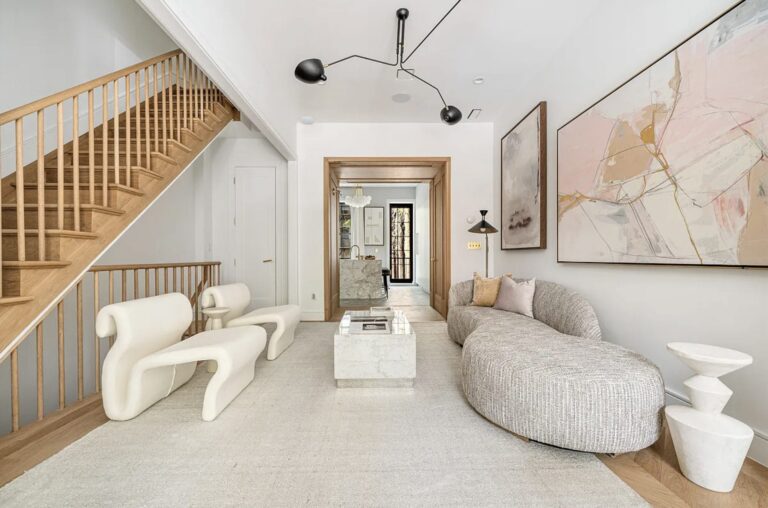
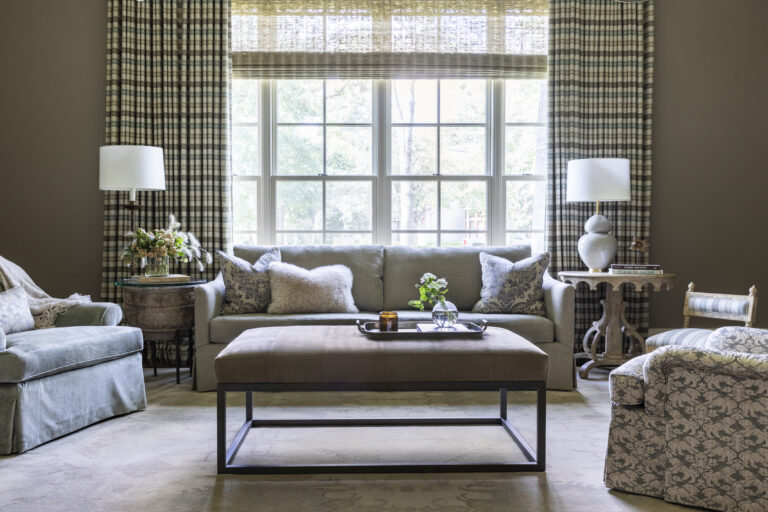
Texture does the visual work that color usually does in a more saturated room. A neutral room needs more textures, not fewer, to avoid feeling flat: think a woven jute rug, a nubby boucle chair, a smooth linen curtain, a chunky knit throw, and a matte ceramic vase, all in the same tonal family but with clearly different surfaces.
The test is simple: close your eyes and run your hand over the major surfaces in the room. If everything feels roughly the same (all smooth, or all soft), the room needs textural contrast, regardless of how good the color scheme is on paper.
Reliable texture sources for a neutral room:
- Natural fiber rugs (jute, sisal, wool) for grounding warmth underfoot
- Boucle or chunky knit upholstery for tactile softness
- Linen or heavy cotton curtains for soft drape and light filtering
- Wood, stone, or ceramic accessories for a solid, grounding contrast
Add Warmth Through Wood Tones, Not Just Fabric
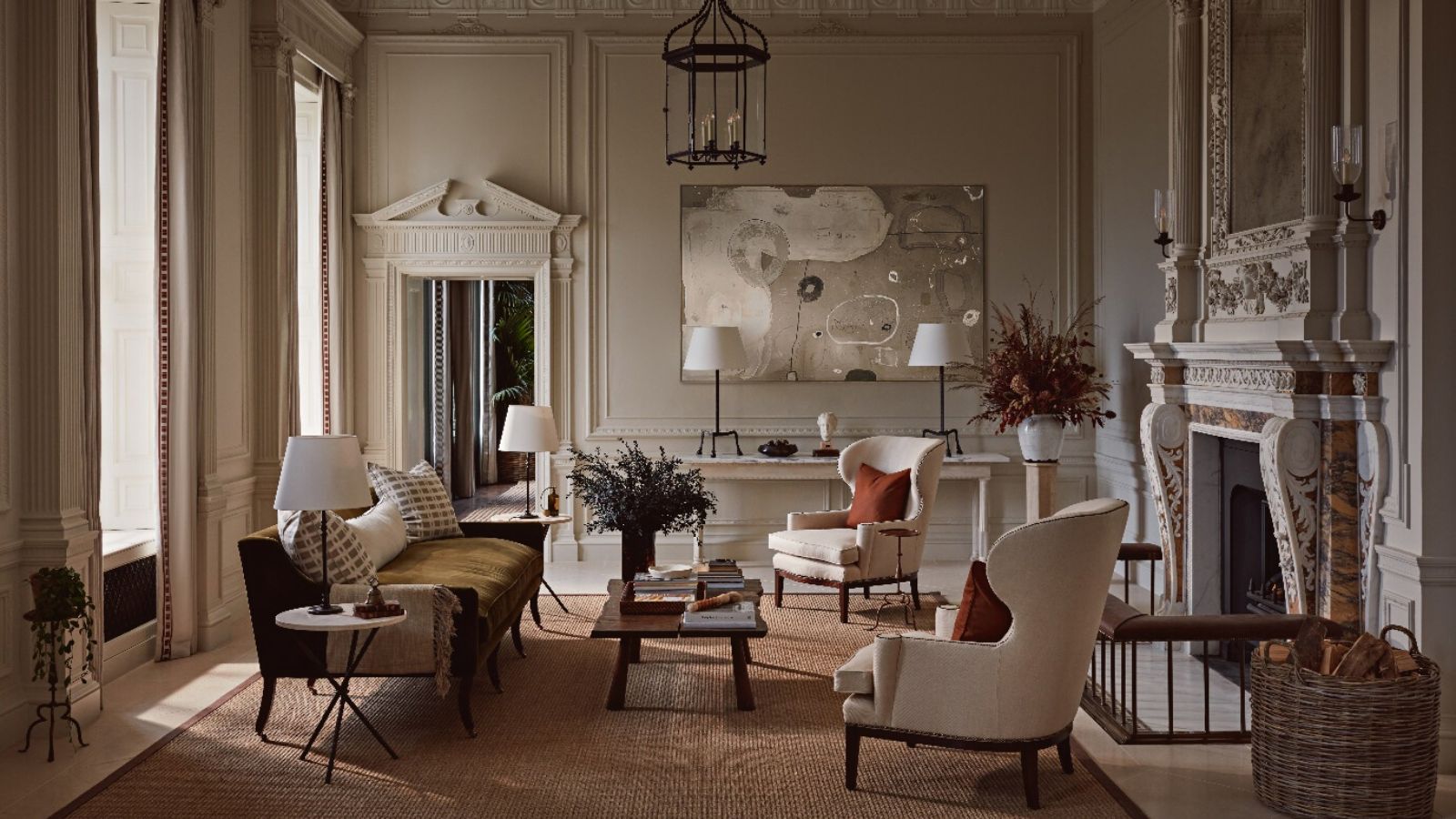
A room that’s entirely upholstery and paint, with no visible wood, stone, or other natural material, tends to feel flatter than one with even a small amount of warm wood introduced through a coffee table, a shelf, or picture frames.
You don’t need to match every wood tone perfectly (see our guide on mixing metals for the same underlying principle applied to hardware), but at least one warm wood element in a neutral room does a lot of quiet work toward making the space feel lived-in rather than staged.
Get the Lighting Warm and Layered
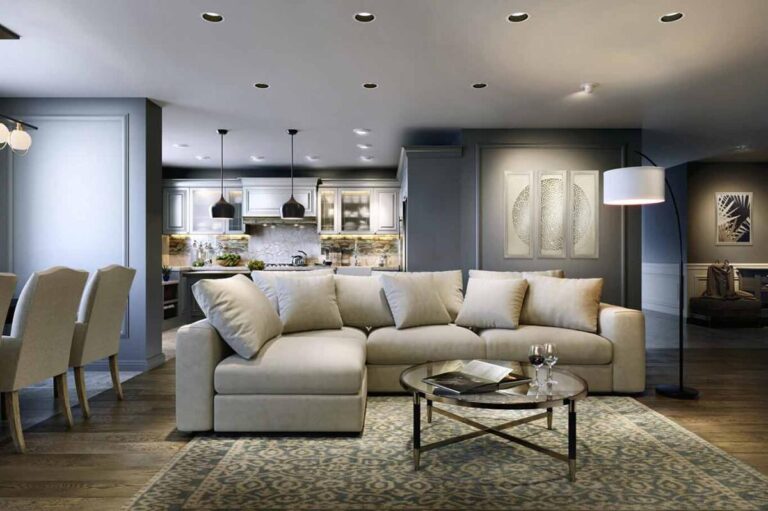
Neutral rooms are especially sensitive to cool-toned overhead lighting, because there’s no bold color to distract from a harsh, blue-white light source. Swap to warm bulbs (2700K to 3000K) throughout the room, and rely on lamps rather than overhead light for most evening use.
This one change, warm bulbs plus layered lamp light instead of a single overhead fixture, often does more to make a beige or gray room feel cozy than any new furniture purchase.
Use Pattern Sparingly, But Don’t Skip It Entirely
| Element | Neutral Room Approach | Effect |
| Throw pillows | Two solid textures, one subtle tonal pattern (stripe, herringbone) | Adds interest without breaking the palette |
| Rug | Natural fiber base or subtle geometric in tonal colors | Grounds the room without introducing new hues |
| Art | One piece with slightly more contrast or a hint of warm color | Gives the eye a focal point in an otherwise quiet room |
Bring in Something Alive
Plants, whether real or high-quality faux, are one of the fastest ways to soften a neutral room, because green is a color the eye reads as calming rather than jarring, even against a very muted palette. A tall floor plant in a corner and one or two smaller plants on shelves or a side table introduce organic shape and quiet color without disrupting a neutral scheme.
Scent and Sound Are Part of Coziness Too
Coziness isn’t only visual. A neutral room that’s silent and unscented can still feel sterile even with perfect texture and lighting. A candle or diffuser with a warm scent (vanilla, sandalwood, warm amber notes) and a soft throw blanket you actually want to touch add a sensory layer that photographs can’t capture but that shapes how a room feels to actually spend time in.
Soft furnishings also absorb sound, which matters more than people expect. A room with hard floors, bare walls, and no textiles often feels echoey and cold even with a warm color scheme, while the same room with a rug, curtains, and upholstered seating feels noticeably quieter and more enveloping.
Don’t Confuse Cozy With Cluttered
It’s tempting to keep adding texture and objects once you notice the room starting to feel warmer, but cozy and cluttered are not the same goal. Stick to the negative-space principle covered in our open shelving guide, roughly a third of any surface left visibly empty, even as you layer in blankets, pillows, and plants.
A neutral room with too many textures competing at once can start to feel busy rather than warm, which defeats the purpose. Choose four or five textural elements deliberately rather than adding indefinitely.
Seasonal Adjustments for a Neutral Room
A neutral palette is one of the easiest to adjust seasonally without repainting or buying new furniture. Swap a chunky wool throw and darker, richer-toned pillow covers in for winter, then switch to lighter linen textures and a fresher, more muted accent color for warmer months. The wall color and major furniture stay exactly the same; only the smaller textile layer changes.
This approach is also budget-friendly compared to redecorating a bolder, more colorful room seasonally, since neutral bones make almost any accent swap look intentional rather than mismatched with what’s already there.
Where Neutral Rooms Go Wrong Most Often
A few recurring issues separate a cozy neutral room from a flat one:
- Every surface is the same texture, usually all smooth fabric with no natural fiber or wood contrast
- Cool-toned overhead lighting is the only light source used in the evening
- The room has no organic element at all, no plant, no wood, nothing that isn’t manufactured
- Every neutral in the room is the exact same shade, leaving no tonal depth or layering
- There’s no single accent color anywhere, leaving the eye with no resting point
A Simple Test for Any Neutral Room You’re Unsure About
Stand in the doorway and count the distinct textures you can see: rug, upholstery, curtains, throw, pillows, wood, and any additional materials. If you count fewer than four, that’s your answer, and it’s almost always a texture problem before it’s a color problem worth solving with paint.
Frequently Asked Questions
Why does my beige room feel cold instead of cozy?
It’s usually an undertone or lighting issue rather than a color choice. Cool-leaning beiges under harsh, cool-toned bulbs can feel sterile. Switching to warm bulbs and checking whether your beige leans warm or cool is the first fix to try.
How do I add texture to a neutral living room without spending a lot?
Start with a chunky knit throw, a jute or natural fiber rug, and one boucle or textured pillow cover. These three affordable items add significant tactile variety without changing your color scheme.
Can a neutral room have any color in it at all?
Yes, and it usually should. A single muted accent color, often introduced through art, a plant, or one accent pillow, gives the eye a resting point and keeps a neutral scheme from feeling completely flat.
What lighting makes a neutral room feel warmer?
Warm white bulbs in the 2700K to 3000K range, used in table and floor lamps rather than relying solely on overhead lighting, make the biggest difference in warming up a neutral room’s atmosphere.
Do plants really help a neutral room feel less boring?
Yes. Plants introduce organic shape, texture, and a naturally calming green tone that works with almost any neutral palette without requiring you to commit to a bolder accent color.
How do I keep a cozy neutral room from feeling cluttered?
Stick to four or five deliberate textural elements and leave roughly a third of every surface visibly empty. Coziness comes from thoughtful layering, not from adding indefinitely.
What’s the fastest single change to warm up a neutral room?
Swap overhead lighting for warm-toned lamps in the 2700K to 3000K range. It’s a low-cost change that affects the entire room’s atmosphere more immediately than most furniture or textile purchases.
Are natural fiber rugs like jute always the right choice for coziness?
They’re a strong default for grounding warmth, but they can feel rough underfoot compared to wool or a plush pile. Layering a smaller, softer rug on top of a natural fiber base is a common way to get both texture and comfort in one space.
Final Thoughts
A neutral room only feels boring when it’s missing texture, warmth, and layered light, not when it’s missing color. Check your undertones, stack at least four different textures, bring in real wood, warm up your bulbs, and add something alive. Do all five, and a neutral palette stops feeling like a compromise and starts feeling like a deliberate, calm choice.