How to Mix Metals in Home Decor Without It Looking Chaotic
Somewhere along the way, homeowners got told every metal finish in a room has to match, and it made kitchens and bathrooms boring for a solid decade. Mixing metals is not only allowed, it’s what makes a room look collected instead of purchased as a matching set in one trip.
Pick One Dominant Metal First
Before you mix anything, choose the metal that will show up most often in the room, usually 60 to 70 percent of your metal finishes. This is typically whatever’s already fixed and expensive to change, like cabinet hardware, plumbing fixtures, or a light fixture you’re keeping.
Once you know your dominant metal, everything else in the room is either a supporting metal (used two or three times) or an accent metal (used once, maybe twice, for contrast). Skipping this step is the number one reason mixed-metal rooms feel chaotic instead of intentional.
Group Metals by Warmth, Not by Name
The easiest way to mix metals successfully is to think in two temperature families instead of a dozen individual finishes. Warm metals include brass, gold, copper, and bronze. Cool metals include chrome, polished nickel, and stainless steel. Black and matte black sit in a neutral category that pairs with almost anything.
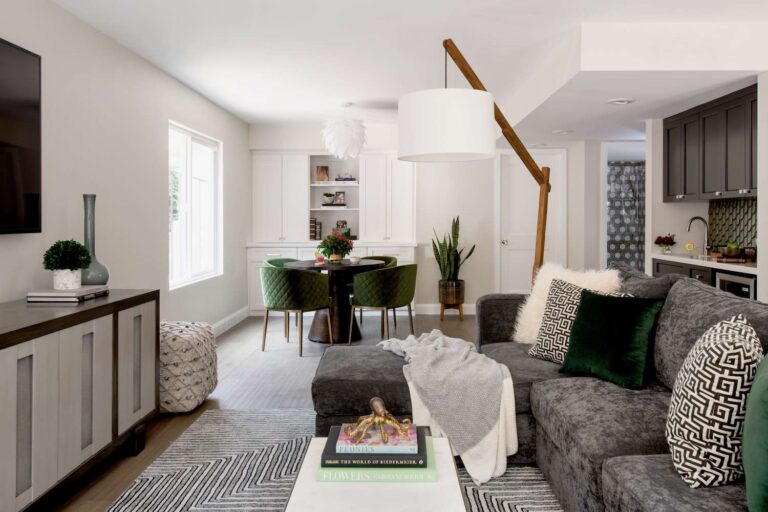
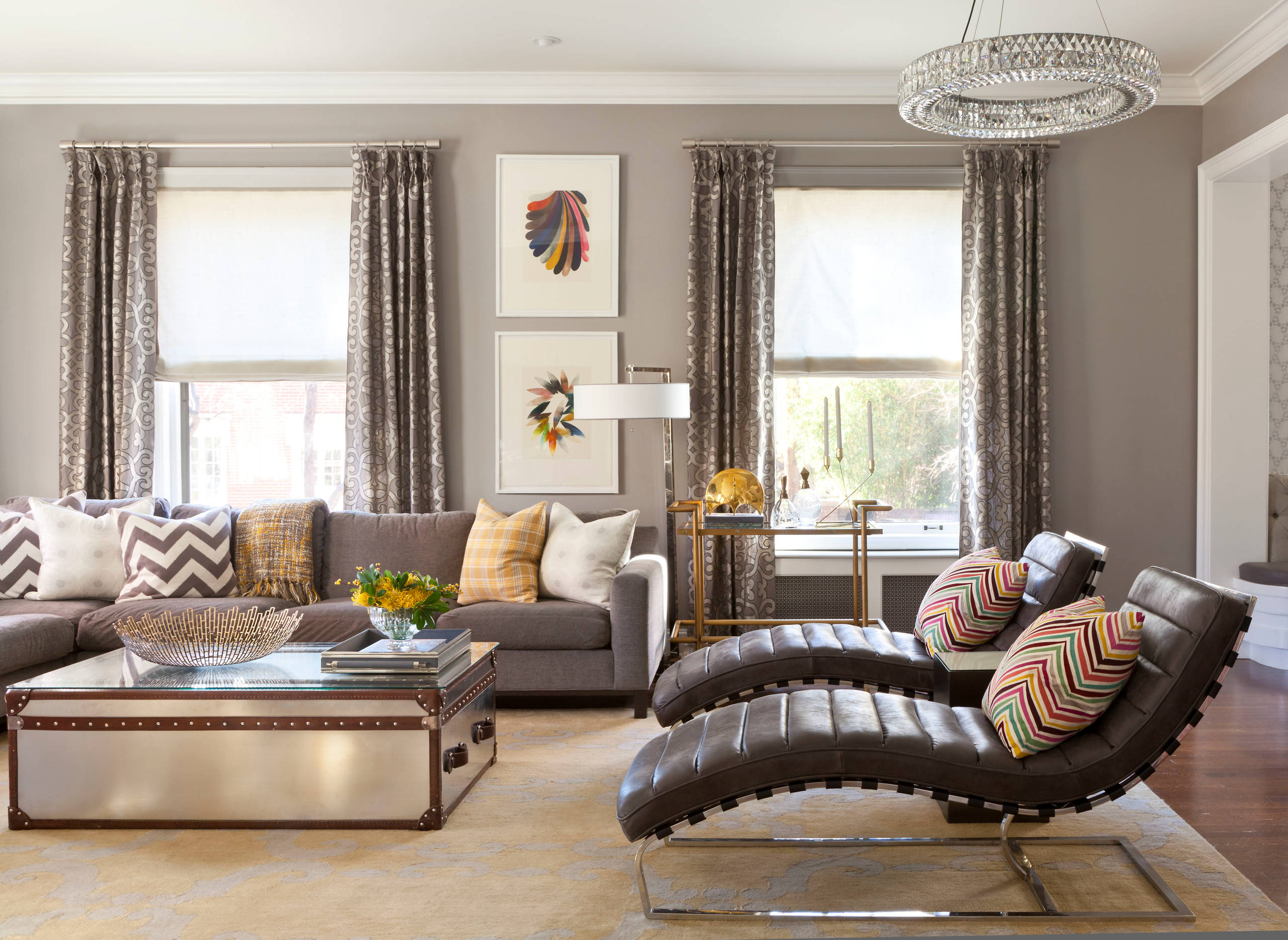
A room built around warm metals (brass hardware, a gold mirror frame, bronze lamp bases) with black as a grounding accent will read as cohesive, even though you’ve technically used three or four different finishes.
| Temperature | Common Finishes | Pairs Well With |
| Warm | Brass, gold, copper, bronze | Black, warm wood tones |
| Cool | Chrome, polished nickel, stainless steel | Black, gray or blue-toned wood |
| Neutral | Matte black, aged iron | Both warm and cool metals |
Where Mixed Metals Work Best in a Home
Kitchens are the most forgiving room for mixing, because appliances, faucets, cabinet hardware, and lighting rarely come from the same source anyway. A brushed gold faucet with matte black cabinet pulls and stainless steel appliances is one of the most common successful combinations I specify for clients right now.
Bathrooms are less forgiving because fixtures sit closer together and get seen up close. In a small bathroom, I generally recommend keeping plumbing fixtures (faucet, shower, towel bar) in one finish and reserving your second metal for something separate, like a mirror frame or a light fixture.
Living Rooms and Bedrooms
These rooms have the most flexibility because metal shows up in smaller, more spread-out doses: lamp bases, picture frames, a console table’s legs, drawer pulls on a nightstand. You can comfortably run two or three finishes as long as one clearly dominates.
How Many Metal Finishes Is Too Many
Two is safe for a beginner, three is where most professionally designed rooms land, and four starts to feel busy unless the room is large and the metals are used in clearly separated zones. I rarely go past three finishes in any single room, even in large, open floor plans, because the eye starts hunting for a pattern that isn’t there.
If you inherited a home with mismatched fixtures already in place (a common issue in older houses that have had piecemeal renovations), audit what’s already there before adding anything new. You may already be at your limit without realizing it.
Common Mixing Mistakes to Avoid
A handful of pairings and habits reliably backfire:
- Using two similar-but-not-identical warm metals side by side, like brushed brass next to antique gold, which reads as a mismatch rather than an intentional mix
- Putting your accent metal only in one corner of the room instead of repeating it at least twice for balance
- Choosing hardware finish by trend photos without checking it against your existing fixed fixtures
- Mixing metals and mixing wood tones in the same small space at the same time, which overloads the eye
A Room-by-Room Starting Point If You’re Renovating From Scratch
When every fixture in a home is up for grabs at once, the sheer number of decisions can be paralyzing. I usually tell clients to lock in their kitchen faucet and hardware finish first, since it’s the most expensive and the most permanent, then let every other room take its cue from that choice.
From there, bathrooms can repeat the kitchen’s dominant metal for consistency, or introduce a secondary metal if the bathrooms are far enough from the kitchen sightline that the shift doesn’t feel jarring. Bedrooms and living rooms have the most freedom since their metal touches are smaller and more decorative than functional.
How Lighting Fixtures Fit Into the Mix
Light fixtures are often the easiest place to introduce an accent metal because they’re viewed from a distance and don’t sit directly next to hardware the way a faucet does. A brass pendant over an island with matte black cabinet pulls, for example, reads as a deliberate design layer rather than a mismatch, because the two finishes never touch.
If you’re unsure where to start, treat your largest, most visible light fixture as your accent metal opportunity, and let the smaller, closer-together items (hinges, pulls, faucets) carry your dominant and secondary finishes instead.
Budget-Friendly Ways to Update Metal Finishes Without Full Replacement
Replacing every fixture in a room to fix a mismatched metal situation gets expensive fast, but a few targeted swaps usually solve most of the problem. Cabinet and drawer pulls are typically the cheapest and highest-impact swap, since they’re small, numerous, and immediately visible every time you open a kitchen or bathroom cabinet.
Spray paint formulated specifically for metal, in a matte black or oil-rubbed bronze finish, can also unify mismatched smaller fixtures like hinges, vent covers, or an outdated light fixture for a fraction of the cost of full replacement, as long as you’re not dealing with a finish exposed to constant water contact like a shower faucet.
Cabinet hinges are an easy piece to overlook, but a kitchen with new brass pulls and old, visible chrome hinges underneath will still read as unfinished. If your cabinet doors are the type where hinges show when open, budget for replacing or repainting those alongside the pulls rather than treating them as separate projects.
How Trends Should (and Shouldn’t) Influence Your Choice
Warm metals have been the dominant trend for the better part of a decade now, but that doesn’t mean cool metals are wrong for your home. A home with a lot of cool-toned stone, marble, or gray-based finishes already in place often looks more cohesive sticking with chrome or nickel rather than fighting those materials with warm brass.
The safest long-term approach is choosing your dominant metal based on what’s already fixed and expensive to change in your home, not on what’s trending in kitchen renovation photos this year. Trends shift roughly every seven to ten years, but a well-matched, intentional mix ages far better than a trend-chasing one.
A Quick Reference for Your Next Fixture Purchase
When you’re standing in a showroom or scrolling a hardware listing trying to decide if a finish will work, ask three questions: what’s my dominant metal in this room, does this new piece agree with it in warmth, and have I already used this accent finish somewhere else nearby. If you can answer all three confidently, the piece almost always works.
Frequently Asked Questions
Is it OK to mix gold and silver decor?
Yes, as long as one clearly dominates. Treat gold and silver (or brass and chrome) as a 70/30 split rather than an even mix, and repeat the minority metal at least twice in the room so it reads as a choice, not a mistake.
How many metal finishes should one room have?
Two to three is the sweet spot for most rooms. A dominant metal used most often, a secondary metal used a few times, and, if the room is large enough, one accent metal used sparingly for contrast.
Do kitchen cabinet hardware and faucet need to match?
No. Kitchens are one of the most forgiving rooms for mixed metals because hardware, faucets, and lighting are rarely bought together. A different but complementary finish for hardware versus the faucet is standard in current kitchen design.
What metal goes with black light fixtures?
Black is a neutral in metal-mixing and pairs with both warm metals like brass and cool metals like chrome or nickel. It’s often the easiest starting point for a mixed-metal room because it grounds everything else.
Should mixed metals match the wood tones in the room?
They don’t need to match exactly, but they should agree on warmth. Warm metals like brass generally sit better with warm wood tones, while cool metals like chrome or nickel pair more naturally with gray-toned or ash wood finishes.
What metal finish should I choose first when renovating an entire house?
Start with the kitchen faucet and cabinet hardware, since they’re the most expensive and permanent choice. Let every other room, including bathrooms and lighting, take its cue from that dominant finish.
Final Thoughts
Mixing metals only looks chaotic when it happens by accident. Pick a dominant finish, group everything else by warmth instead of by name, cap yourself at three finishes per room, and repeat your accent metal at least twice. Do that, and a mixed-metal room reads as curated, not undecided.