How to Choose a Bed Frame: Style, Size, and Material
A bed frame is one of the few furniture purchases meant to last a decade or more, which makes the decision feel higher stakes than it needs to be. Once you separate the structural questions (support, size, height) from the purely stylistic ones (headboard shape, material finish), the choice gets much more manageable.
Platform Versus Box Spring: Decide This First
A platform frame has built-in slats or a solid base that supports the mattress directly, no box spring required, and it typically sits lower to the ground, which suits modern and minimalist bedrooms well. A traditional frame requires a separate box spring for support, sits higher off the floor, and generally needs a bed skirt to hide the box spring’s visible sides.
This decision affects more than aesthetics. Platform beds are usually more budget-friendly since you’re not buying a separate box spring, and they tend to be sturdier over time since there are fewer components that can wear out or shift. Traditional frames offer a more classic look and slightly easier access getting in and out of bed for people who prefer a higher mattress height.
Check your mattress warranty before switching between the two. Some memory foam and hybrid mattresses require a solid or slatted platform base to maintain their warranty, while others are only rated for a specific slat spacing, which matters if you’re buying a platform frame with wide gaps between slats.
Size the Frame to the Room, Not Just the Mattress
A king bed in a room under 10 feet wide will technically fit but leaves almost no walking space on either side, which makes daily life around the bed feel cramped even if the room photographs fine empty. Measure your room’s usable width, not including closets or door swings, before deciding between queen and king.
| Room Width | Recommended Max Bed Size | Clearance Notes |
| Under 10 ft wide | Queen (60 in) | Leave at least 24 in on each accessible side |
| 10-12 ft wide | Queen or King | King needs roughly 30 in clearance per side |
| 12+ ft wide | King or California King | Allows room for nightstands and a bench at the foot |
Headboard Height and Style Should Match the Ceiling
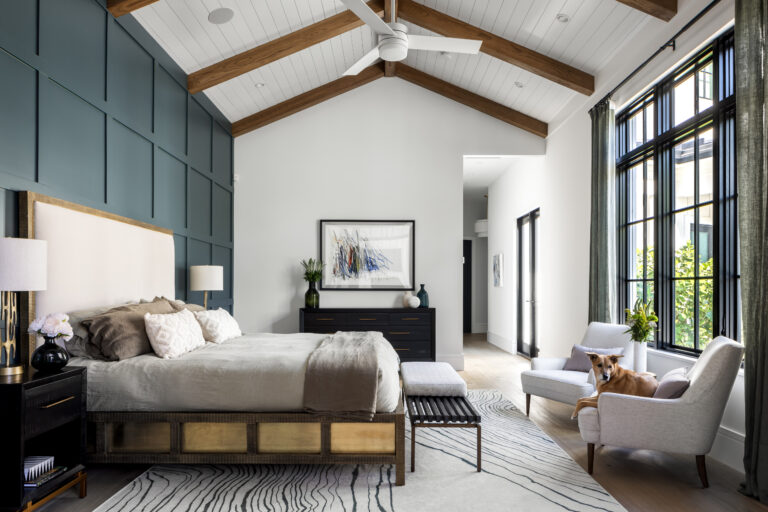
In rooms with standard 8-foot ceilings, a headboard between 48 and 54 inches tall generally looks proportional. Taller ceilings, 9 feet or more, can support a dramatic, oversized headboard (60 inches or taller) without it overwhelming the room, while the same tall headboard in a standard-ceiling room can make the space feel visually top-heavy.
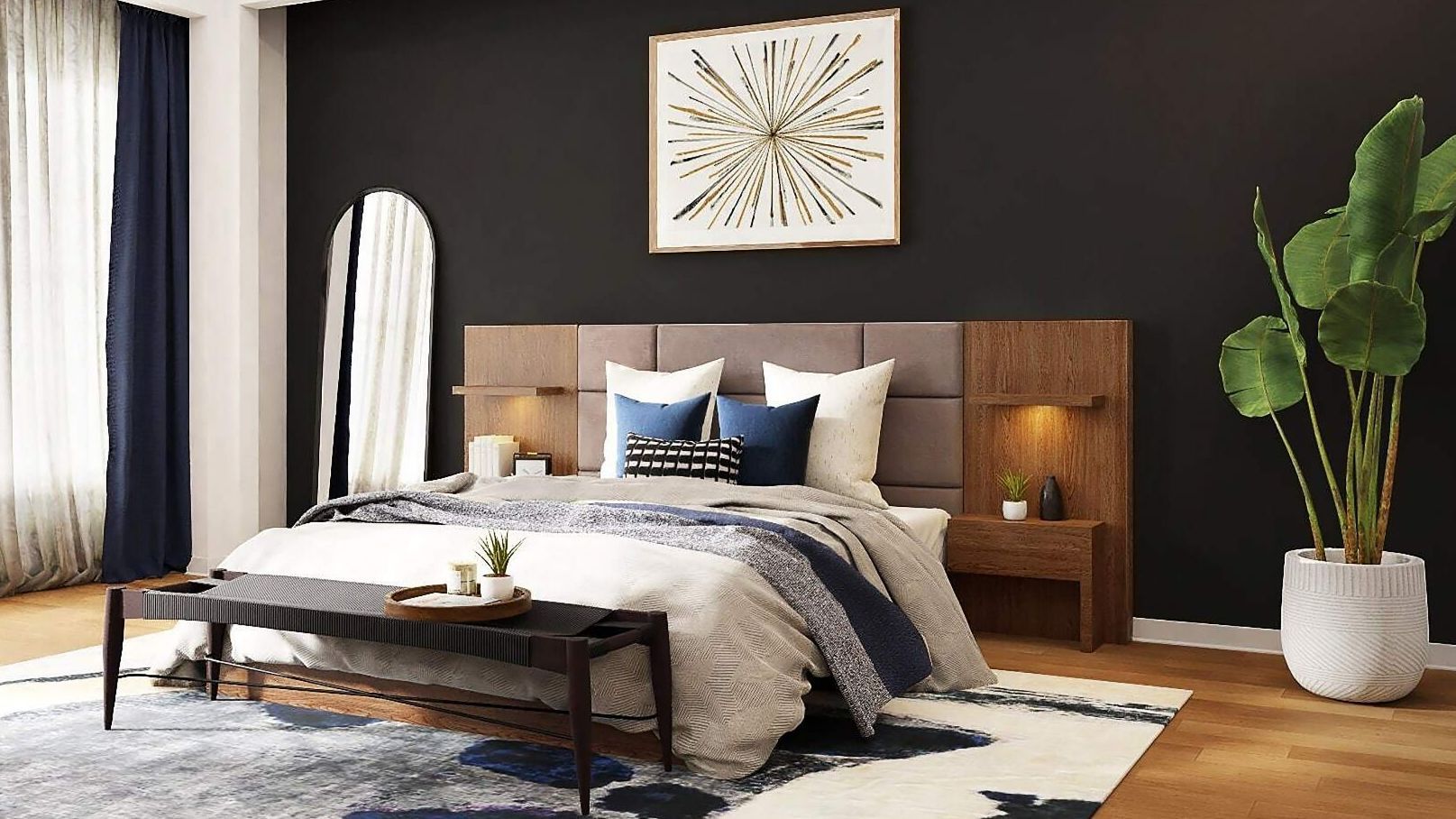
Upholstered headboards add softness and are more forgiving of an imperfect wall behind them, since fabric and padding hide minor wall imperfections that a solid wood or metal headboard would highlight. They also make a meaningful difference in comfort if you regularly sit up in bed to read, since fabric and padding are far more comfortable against your back than a hard wood or metal edge.
Material Durability for Daily Use
Solid wood frames hold up the longest under regular use and can typically be repaired (a loose joint re-glued, a scratch sanded out) rather than replaced entirely. Metal frames are typically the most affordable option and resist warping, though lower-quality metal frames can develop squeaks at the joints over a few years of regular use.
Upholstered frames need the most consideration around fabric durability specifically. A performance fabric rated for at least 15,000 double rubs (a standard durability measurement) will hold up significantly better against pets, kids, and daily wear than a delicate decorative fabric not rated for heavy use.
Storage Frames Solve Real Space Problems
A storage bed frame with built-in drawers underneath effectively replaces a dresser’s worth of storage, which is especially valuable in smaller bedrooms or shared kids’ rooms where floor space for additional furniture is limited. The tradeoff is weight and complexity; storage frames are heavier to move and typically cost more than an open-frame platform bed of the same size.
If you don’t need built-in drawers but still want to use the space under the bed, choose a frame with enough clearance (at least 7 to 9 inches) for standard under-bed storage bins, since some low-profile platform frames sit too close to the floor to fit anything underneath at all.
Assembly and Long-Term Stability
Metal-on-metal or metal-on-wood joints tend to loosen faster than fully wood-jointed frames, particularly on frames assembled with cam locks rather than actual screws and wood glue. If you move frequently or plan to disassemble and reassemble the frame more than once, look specifically for a frame designed with repeated assembly in mind, since some joinery types wear out and become wobbly after just two or three rebuilds.
A center support beam with a middle leg is non-negotiable for queen size and larger frames. Frames without one are far more prone to sagging or even breaking in the middle over time, regardless of how sturdy the side rails feel when new.
Upholstered Versus Wood or Metal Headboards for Everyday Comfort
Beyond the visual softness mentioned earlier, an upholstered headboard makes a genuine difference for anyone who works from bed occasionally or reads propped up most nights, since fabric and padding distribute pressure far more comfortably than a hard edge against the spine or shoulders over an extended sitting session.
If you prefer the look of a wood or metal headboard but still want more comfort, a set of large decorative pillows stacked against it, effectively creating a soft buffer, gives you the visual style of a harder material with some of the comfort benefits of upholstery.
Bed Frame Trends Worth Ignoring Versus Worth Considering
Extremely low-profile platform frames, popular in minimalist and Japanese-inspired interiors, look striking in photos but can be genuinely difficult for anyone with mobility concerns or knee issues to get in and out of comfortably over years of daily use. Consider your own physical comfort over the current aesthetic trend, since a bed frame is a purchase meant to last far longer than any single design moment.
On the other hand, adjustable bases, once mostly associated with medical or hospital settings, have become increasingly mainstream and genuinely useful for reading, watching TV, or managing conditions like acid reflux or snoring. If this functionality appeals to you, it’s worth considering even though it adds meaningfully to the overall cost compared to a standard fixed frame.
Frequently Asked Questions
Do I need a box spring with a platform bed frame?
No. Platform frames have built-in slats or a solid base designed to support the mattress directly without a box spring. Adding one to a platform frame usually raises the bed higher than intended and isn’t necessary for support.
What size bed fits in a 10 by 10 foot bedroom?
A queen size bed generally works best in a room this size, leaving at least 24 inches of clearance on each accessible side. A king can technically fit but leaves very little walking space around the bed.
Are storage bed frames worth the extra cost?
Yes, if floor space for a dresser or additional storage furniture is limited. Built-in drawers effectively replace a separate storage piece, though storage frames are heavier and typically cost more than an open platform frame.
How tall should a headboard be?
Between 48 and 54 inches works well in rooms with standard 8-foot ceilings. Taller ceilings can support a more dramatic, oversized headboard without the room feeling visually top-heavy.
Is a wood or metal bed frame more durable long-term?
Solid wood frames typically last longest and can be repaired rather than replaced if a joint loosens. Quality metal frames resist warping well, though lower-quality metal frames can develop squeaks at the joints over time.
Is an upholstered headboard more comfortable than wood or metal?
Generally yes. Fabric and padding distribute pressure more comfortably against the back and shoulders for anyone who reads or works propped up in bed regularly, compared to a hard wood or metal edge.
Are adjustable bed bases worth considering for a non-medical household?
Increasingly yes. Beyond their original medical use, adjustable bases are genuinely useful for reading, watching TV in bed, and managing conditions like snoring or acid reflux, though they add meaningfully to the overall cost compared to a standard fixed frame.
How do I choose a bed frame that suits both partners in a shared bed?
Prioritize a center support beam and a mattress-height match that works for both people’s getting in and out comfortably, and consider a slightly wider size than you think you need if either partner tends to move around during sleep.
Does a bed frame’s finish need to match my other bedroom furniture?
It helps for cohesion but isn’t strictly required. Staying within the same warm or cool wood and metal family as your nightstands and dresser keeps the room feeling intentional, even if the exact finishes aren’t identical.
Final Thoughts
Choosing a bed frame comes down to matching the structural basics, platform versus box spring, correct sizing for your room, and solid joinery, before worrying about headboard style. Get the support and clearance right first, and the aesthetic decisions become far easier and far less risky to get wrong.